The Global Identity Crisis
The Global Identity Crisis

In my last blog I outlined how High Streets across the world had become ever more homogeneous with the proliferation of international brands pushing out more uniquely local retailers leading to a loss of sense of place and a subliminal diminution of national identity.
This is also related to comments in earlier blogs concerning the rise of extreme consumerism. Consumerism for consumerism’s sake, which in itself had created a culture of disposability and reduction in quality of product to match.
This quick fix retail therapy has, however, been wearing increasingly thin and, with credit cards pushed to the maximum and nothing of any substance to show for it, people are left wondering where it all went wrong.
The watering down of local culture, customs, arts and crafts in the frenzy of internationally orientated consumerism has left people questioning what it really still means to be American, to be British to be German etc
As really high end luxury brands have been forced to raise the bar both in terms of quality and price in order to differentiate themselves, the glitter of the mid-range international brand experience seems to have begun to lose its lustre.
Such brands rose to popularity in a wave of brand euphoria, as the ‘brand experience’ became more accessible through cheaper production and associated lower prices. They benefitted from the yearning of their consumer indoctrinated audience to be seen wearing the latest season’s fashion.
Quality of product that fuelled the original concept behind a brand’s success seemed less relevant in a society where it was not considered cool to be seen wearing the same item twice.
As weary debt laden consumers begin to wake up to the fact that they have nothing of any real value to show for their hedonistic frenzy of retail gluttony they begin to question who they really are and yearn for a greater sense of individualism, a sense of identity.
As they look around, however, even the very individuality of their city, the place they call home, seems also to be under threat.
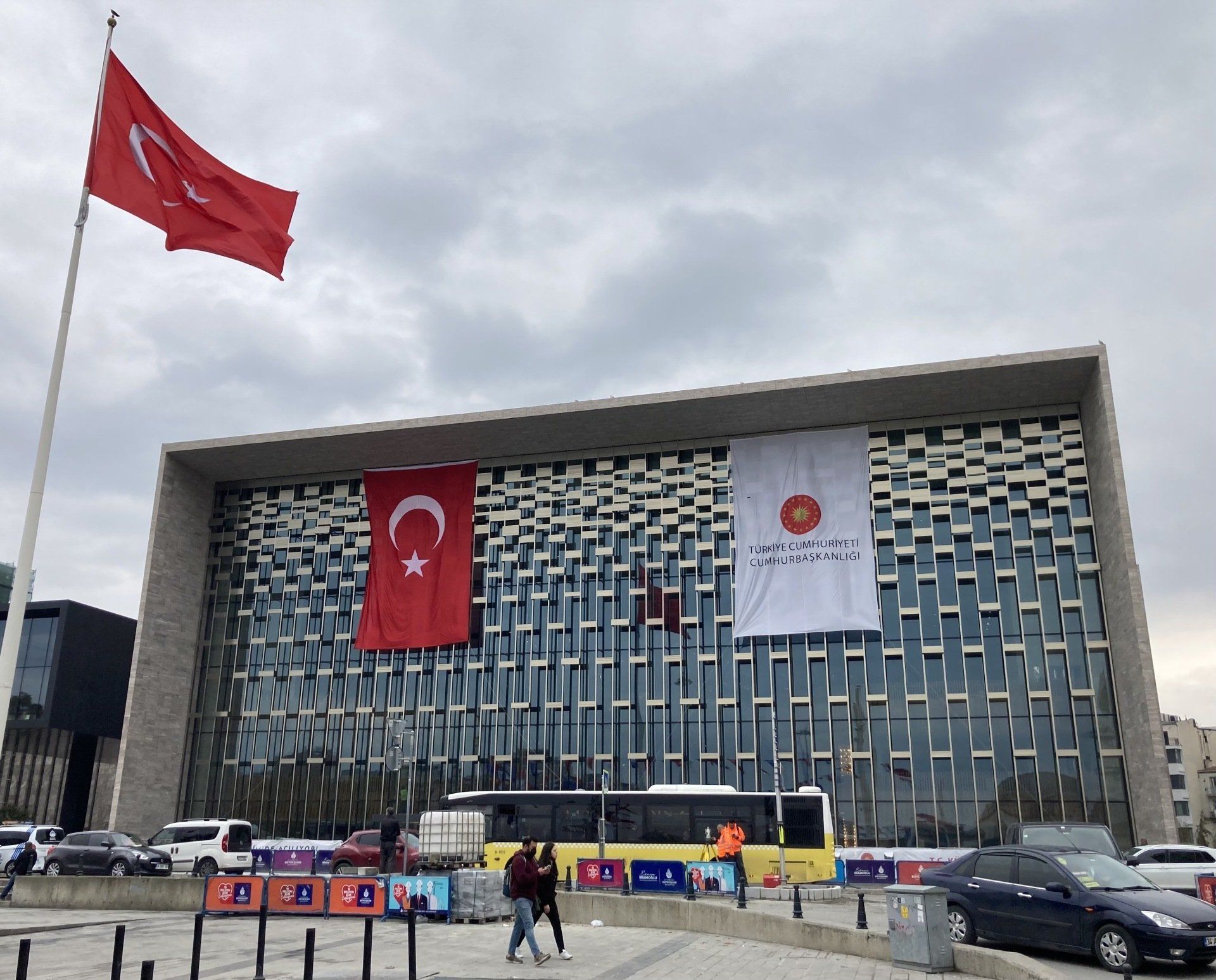
It is not just uniformity of High Streets with the spread of multi-national retail chains that has begun to erase the individuality of cities. The rapid proliferation of high rise office and residential buildings as well as the proliferation of shopping malls all designed by a relative handful of international architects (or else under the influence of such) with little attention to the unique nature of the Cities in which they are constructed, has seen many of the physical hall marks of national identity erased.
What lies behind America First, Brexit, or the political shifts in Germany may well be part of a growing sense that whilst global principals and opportunity are to be championed this should not be at the expense of a sense of National identity.
So as not to ‘throw the baby out with the bath water’, far more needs to be done to examine what National identity really means and how it can be regained and to co-exist within a global community. Mutually supportive rather than overpowering and all consuming.
Individuality in the built environment may well have an important role to play in maintaining National identity whilst embracing global standards, interconnectivity, and flow of business and ideas.
There is a great responsibility, therefore, on developers to take up the challenge to create sustainable projects that contribute to the built environment and individuality of the location whilst furthering a sense of belonging and enhanced community.
Above text and image: © Matthew C Warner Feb. 2018. All rights reserved.