By matthew warner
•
May 30, 2020
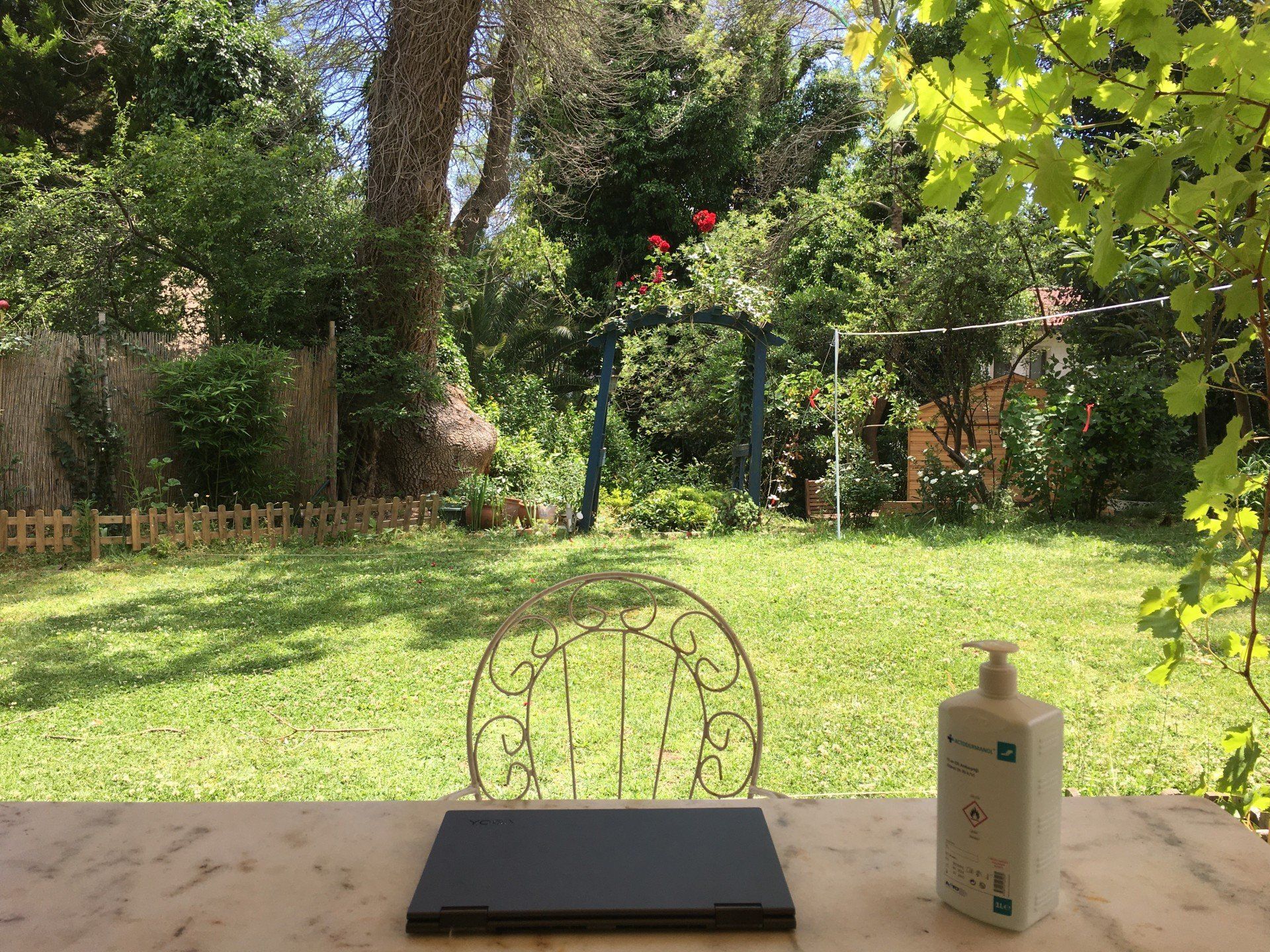
When Corona eases and businesses get fully back to work, we may well find that we see a combining of initiatives towards changed occupational habits. This relates to concepts that were already on the agenda, but which are likely to be picked up with a renewed sense of purpose as regards our work spaces in terms of i) sustainability ii) flexibility and iii) quality of workspace experience. i) Sustainability: was rising up the agenda before Corona hit. Whilst little room has recently been given for further comment on this important issue as the world went into shutdown, we will come out of this malaise not only with a renewed sense of importance in terms of our relationships with each other, but also our relationship with the planet. We have been given a chance to pause for breath and to realize that the damaging path we were on is not the ‘necessary evil’ of an unchangeable consumerist existence. We have seen how, when forced upon us, it is possible to achieve huge reductions in carbon emissions. We have also seen that we cannot take for granted the enjoyment of our outside spaces and we have been forced into a greater appreciation of all of the wonder that our planet has to offer. It is like a light has been shone showing us a different path towards a more caring society where collective action towards changing our life priorities can lead to enhancement for the common good. This heightened awareness of the value of our environment will manifest itself in many ways, but in terms of our business space it will lead to a drive towards more sustainable office solutions in terms of efficiency of operation as well as whole-portfolio occupational strategies based on a reduced carbon footprint. ii) Flexibility: was fast becoming a buzz word in the run-up to the Corona shut-down, as we saw the expansion of shared work-space concepts and companies pushing the boundaries in terms of integrated work place solutions optimizing the efficiency of the workplace. Whilst attracting good media coverage these initiatives were, however, just scratching the surface in terms of the percentage of total office stock. Intransigent attitudes towards workers ‘needing to be in the office’ to deliver maximum results meant that working from a non-office environment, whether from home or an alternative creative space, was often frowned upon and given little real chance to flourish. Here again change has been forced upon us with the Corona Pandemic. Bosses have been able to see that responsible workers often work harder when left to their own devices and (subject to the nature of business) are able to engage with a range of creative environments and varied working hours to deliver maximum results. Working in a non-office environment does not work for all businesses, or sectors within businesses, but the ‘whole company’ trial that has been necessitated in many parts of the world, has clearly highlighted for many companies which sectors need to be in a fixed office and which flourish in alternative environments. What this means is that we are likely to see companies focusing more intently on the nature of space that they actually need to properly reflect their business and to provide for their regular office-based staff and client interface. Alongside that to have an element flexible space to allow for team members who will be working away from the office to come in when necessary, to showcase their work and collaborate with colleagues and clients, when a physical presence is required. Such flexible spaces will, however, need to be subject to strict hygiene routines to make sure that any shared work space environment is fit for purpose. These first two areas of change will naturally lead to the third aspect of the quality of workspace environment. İİİ) Quality workspace environment: With companies in the past set on growing their space, taking ever larger premises to house all of their staff as business expanded, catering for the perceived need to find a desk space for each member of the growing workforce, compromises inevitably had to be made. This often led to a downgrading of locational preference, or even a split office solution, away from an optimum position, to contain overheads, leading in many instances to inefficiencies in operation. For those that tried to maintain their prime location, offices often became increasingly cramped again unwittingly affecting efficiency in terms of amenity, worker attitude and the ability to attract the best staff. With a careful assessment of staffing ability enabling a percentage of the workforce to work away from the office, companies will be able to re-focus on locations for their physical office that work best for their business and to create an environment with a desk spacing regime combined with a range of bespoke hygiene measures (for those staff that do have to be in the office) that is not only healthier (in terms of the spread of germs/infectious diseases), but also creates a more spacious setting towards a better psychology for their staff, the ability to attract and retain the best staff, flexible options to allow for staff who need only sporadically to come to the office and an overall image more reflective of the business. In short a better quality working environment leading to enhanced results. Offices will be a showcase of how companies wish to present themselves: creative, socially aware, environmentally responsible, contributive spaces. There are already a number of developers who are championing the creation of such spaces, but with the heightened demands we are now likely to see from the occupational sector, others will seek to raise their game to the betterment of the urban fabric, enhancement of the quality of life, of relationships, and of our world. For information on quality workspace opportunities please contact: Matthew Warner BA Dip PVL MRICS matthew.warner@astas-group.com Tel: 0090 533 322 4015 www.astas-holding.com © Matthew Charles Warner Text and image all rights reserved15.05.2020